

Working with teams from an agency and BMW Technologies, I led Design Sprints intended to identify consumer reception to connected technologies in their BMW automobiles.
I was recruited by Manifest to lead a series of projects for BMW Technologies. The project was intended to combine agency resources with BMW team members. On the agency side, we had a visual designer, three UX strategists, a project manager, and client engagement. On the clients side, BMW provided a UX designer, two product owners, and we reported to leadership in Chicago and Munich. Our objective was to conduct weekly Design Sprints for 8 weeks intended to validate a number of potential product opportunities. A second phase continued the effort with the expected goal of launching new mobile apps. The successful outcome was the BMW connected apps launched at CES in 2016.
Let me describe the design process I led.
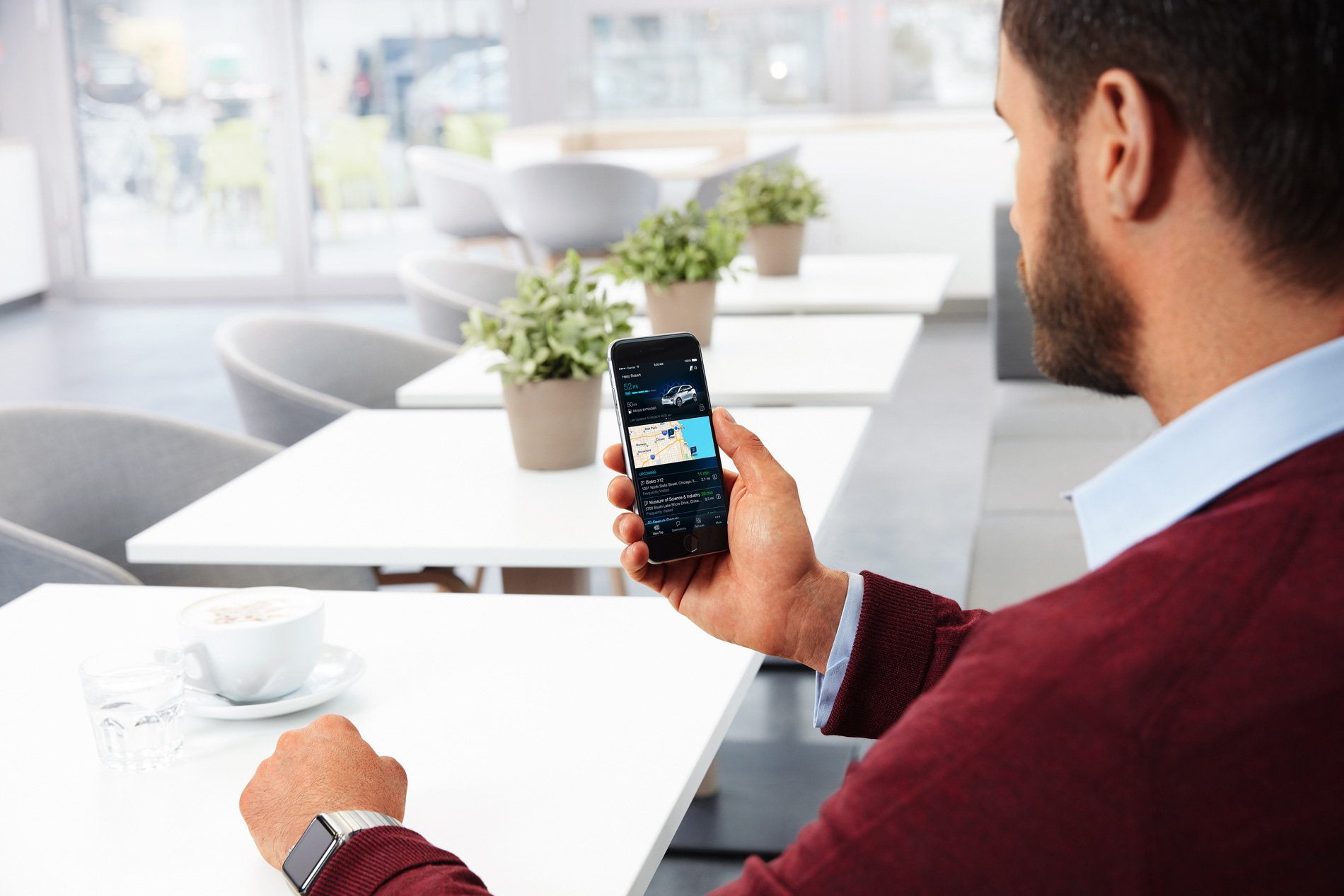
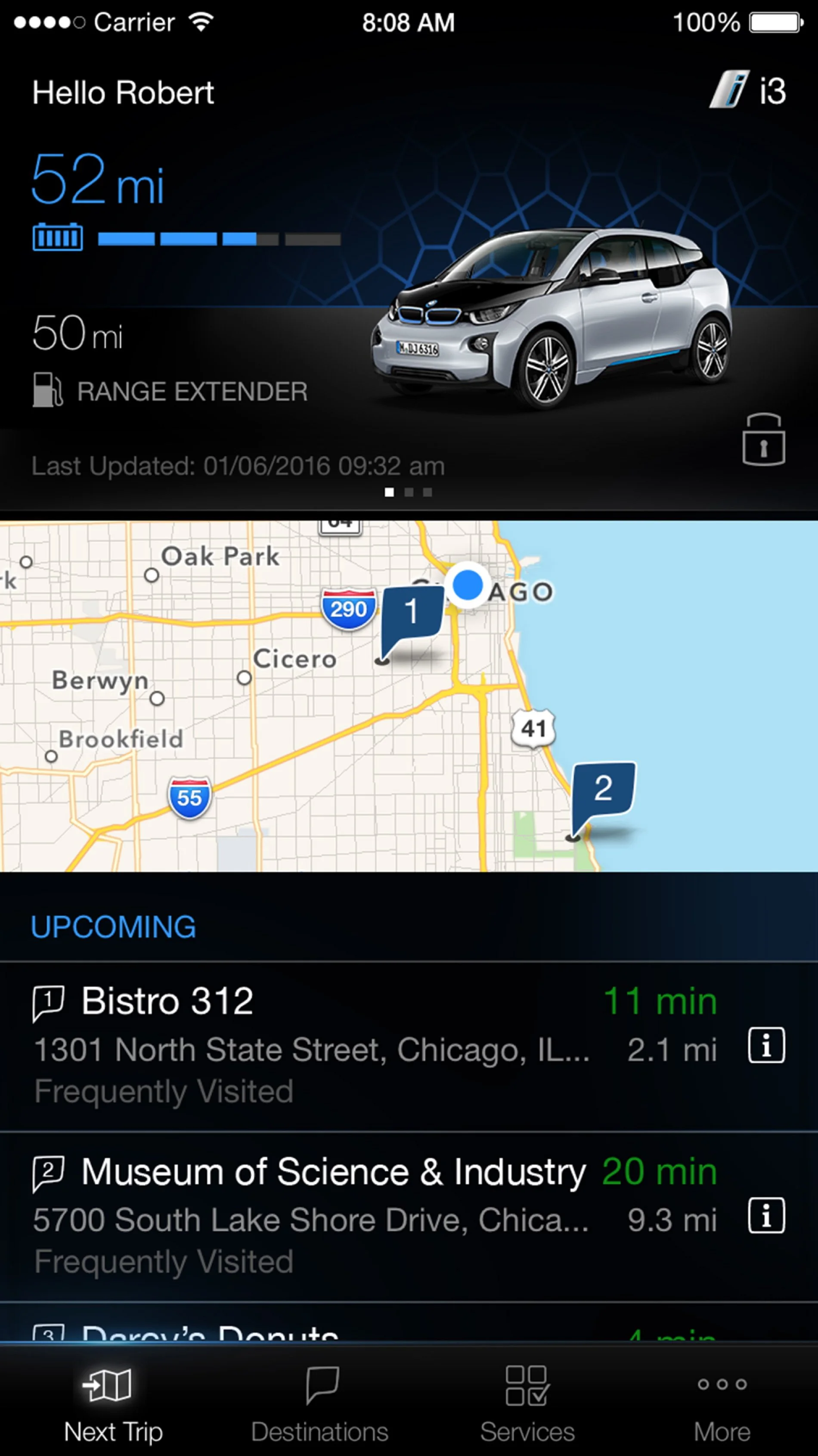
Images: BMW Connected App press photos for CES January 2016 (BMW)
Design Sprint Process
Phase One
-
Our first phase of work was intended to test a prioritized set of hypotheses over 8 weekly Design Sprints. We were expected to continually provide readouts to the internal team, both in Chicago and Munich, after each sprint. Our first step was to prepare the agency team by gathering current designs and any research that was conducted. I requested any personas and journeys that might exist, and was informed that these essential materials did not exist for the American market. We set about scheduling the work and identifying the artifacts we would create to support the work as well as our conversations.
-
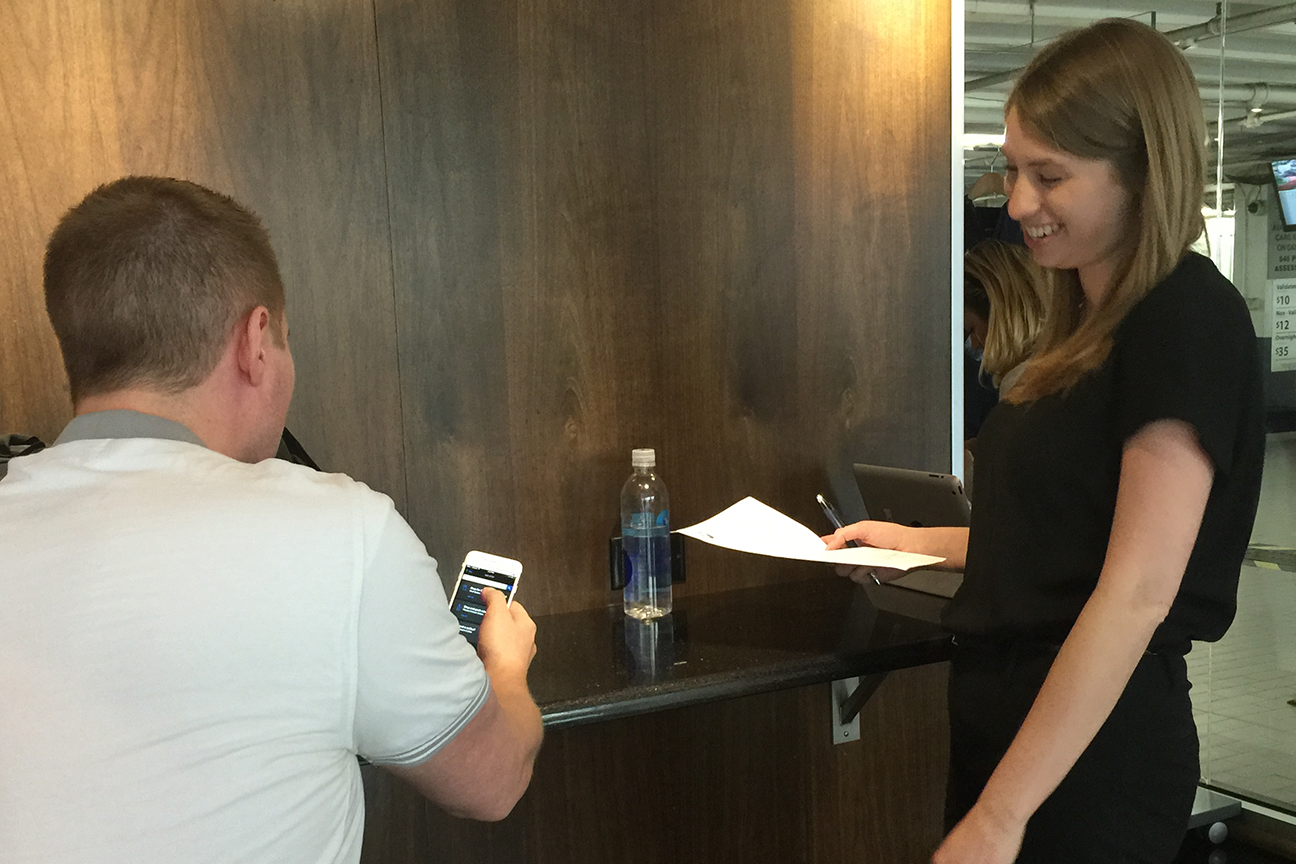
The team rapidly designed and prototyped numerous features over 8 weeks of Design Sprints. We began with the basics of navigation and automobile management, and ended on tests to identify multiple destination trips and social sharing. Through these sprints, I began to build “actionable” personas and journeys for the team to use in articulating their designs. We visited local BMW dealerships to conduct research. Each week we recruited 4-6 participants who were having their vehicles serviced in the dealership. It was a fast moving project which exhausted the team.
-
The team presented our final research to teams in Chicago and Munich. We far surpassed the number of tests we were expected to conduct, and the artifacts we created — personas and journeys — were invaluable to the internal teams. The original journey lived on a large wall, and helped to surface new opportunities to explore. With extensive details supporting the people, needs, and tasks tested, the BMW teams had clarity on what customers needed in connected apps and services.
Phase Two
-
After a month break, a second phase of work began. The team had recovered from weekly design sprints, and BMW agreed to a changed scope of work. We would continue producing another set of sprints, but they would now be two weeks in length. The team would however be responsible for designing portions of the app that would be delivered at CES in January of 2016. We got to work!
-
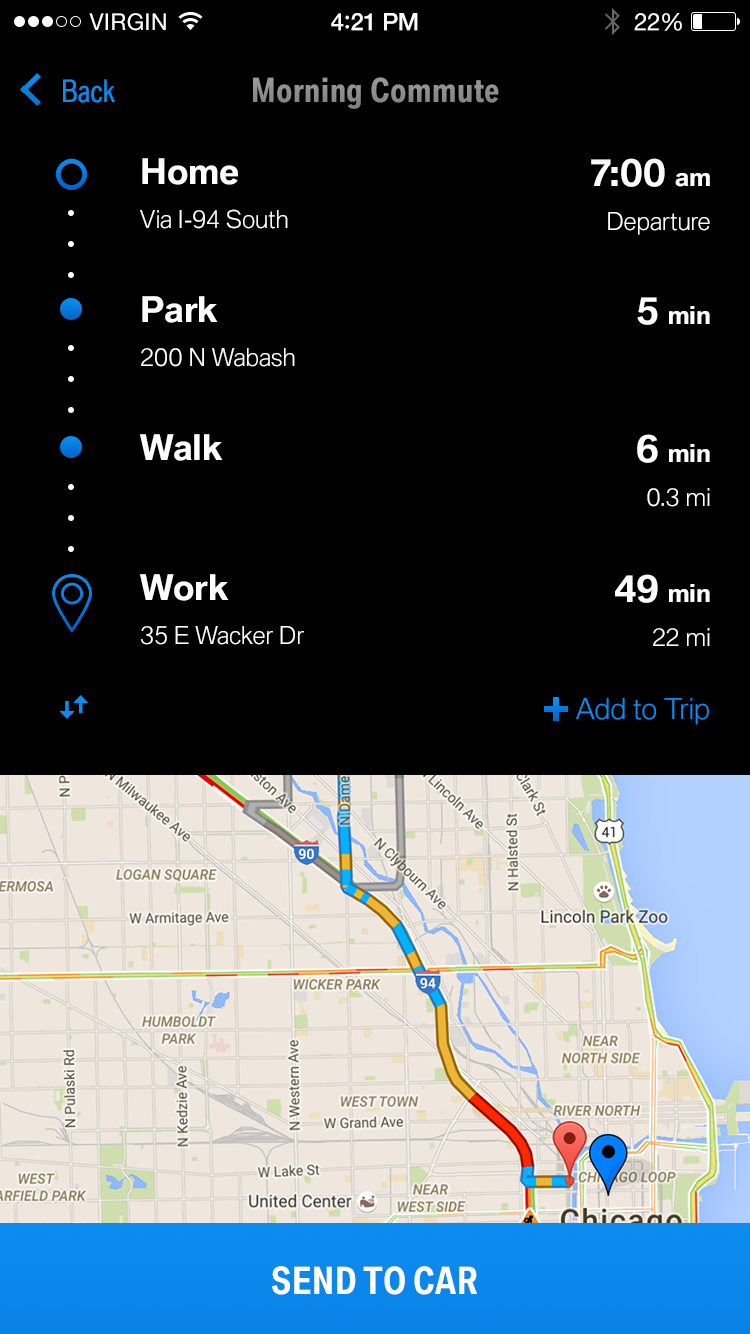
The lengthier sprints in this second phase allowed the team to more fully consider features. I connected BMW with the Chamberlain Group so that they could discuss integrating their garage door opener APIs into the app. I worked with Ketan to architect the appropriate flow considering both manual as well as automatic processes. We continued to visit dealerships to test more complex features, such as multi-destination directions. Near the end of the project, we began to discuss an expanded scope of work, and how we could add Agile pods to accelerate development. The team at first didn’t grasp the number of designers that would be needed to partner with a large development team and product managers.
-
Our presentations with Munich went extremely well. The large body of work truly represented a strong design process. Our data and insights were strong, and the numerous prototypes, as demonstrated by video snippets, supported the test scenarios well. This was a formative project in my career.
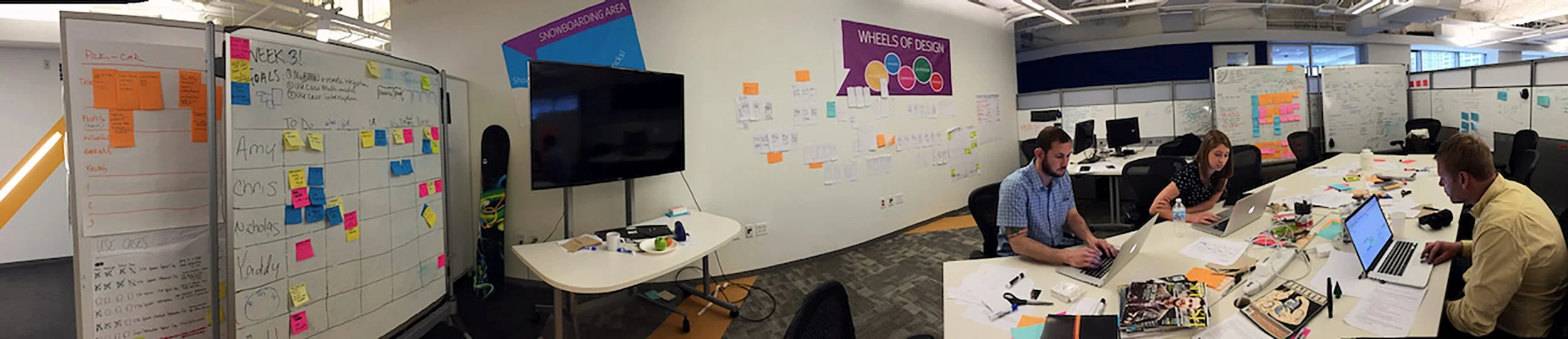
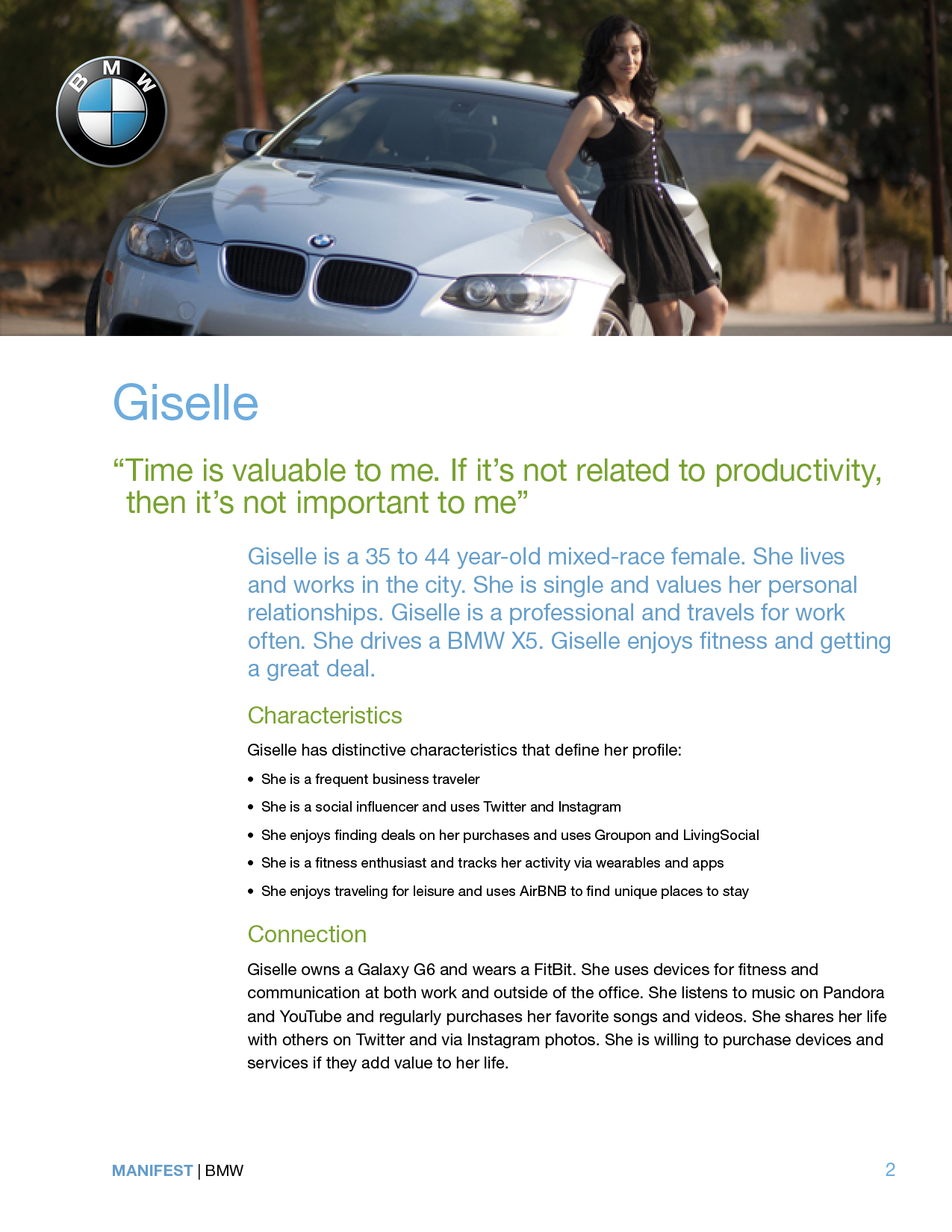
We began work within the BMW Technology offices in the Boeing Building in Chicago, but retained a work space back at the Manifest offices. The team increasingly missed the agency culture. Artifacts we created, including personas and a journey map, were critical to our common understanding of customer needs. Continual research from the design sprints fed the insights and pointed to important future opportunities.
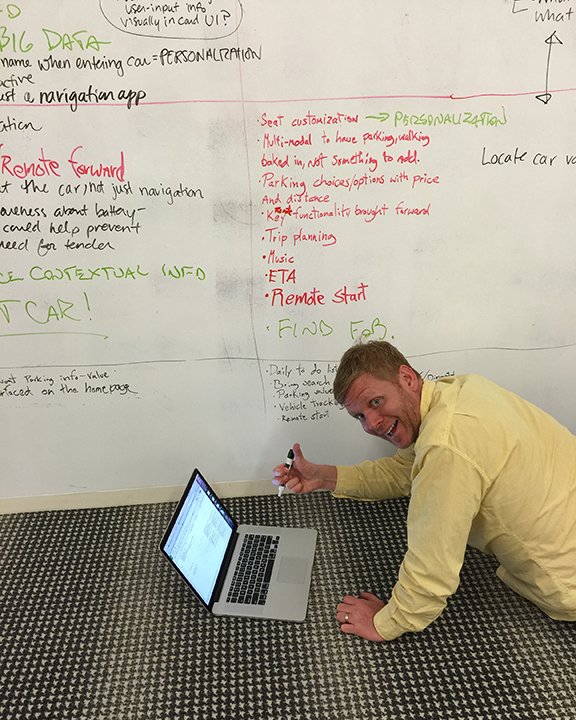
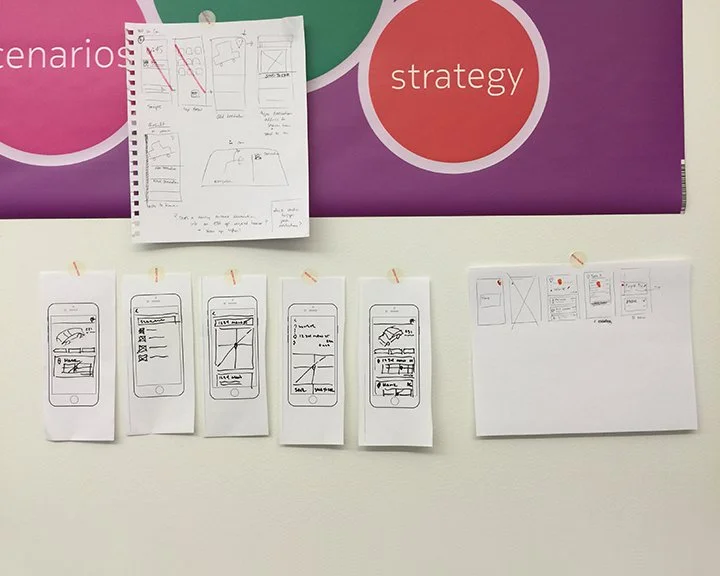
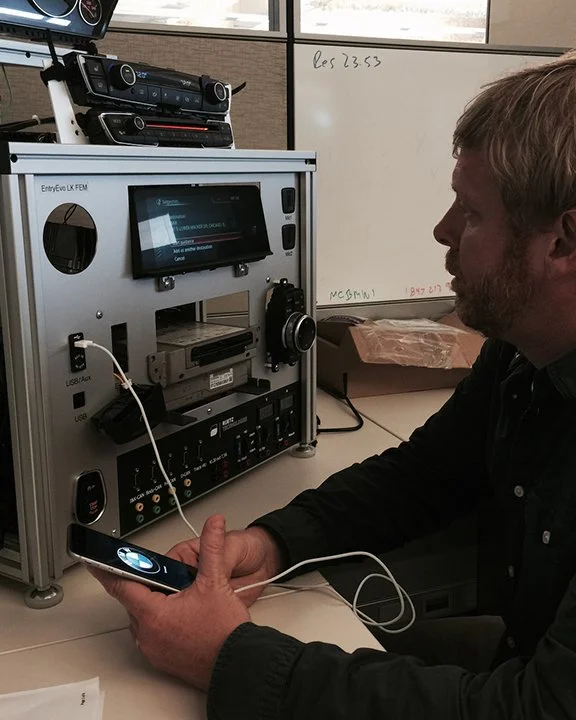
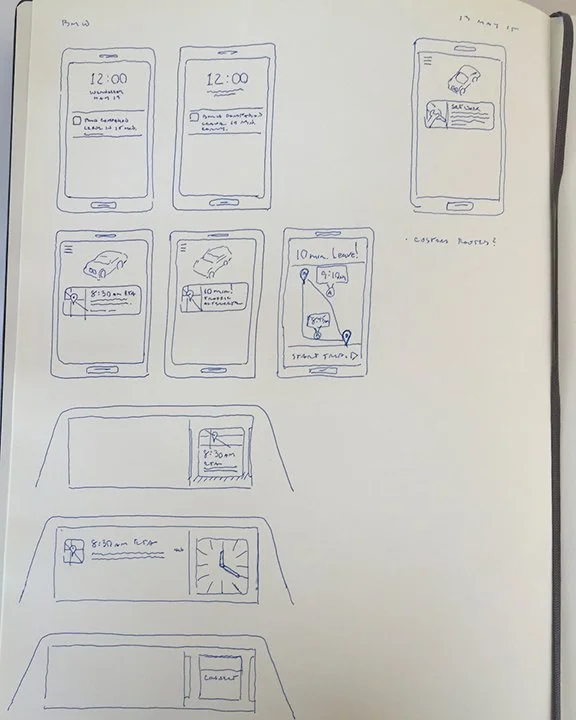
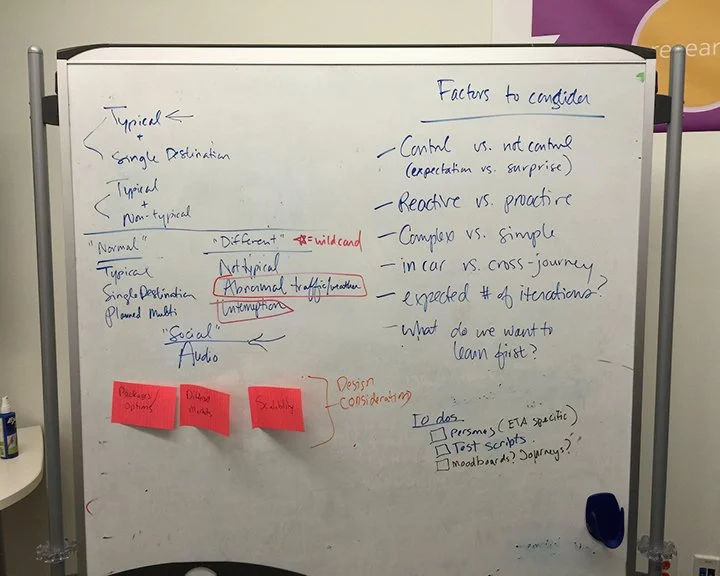
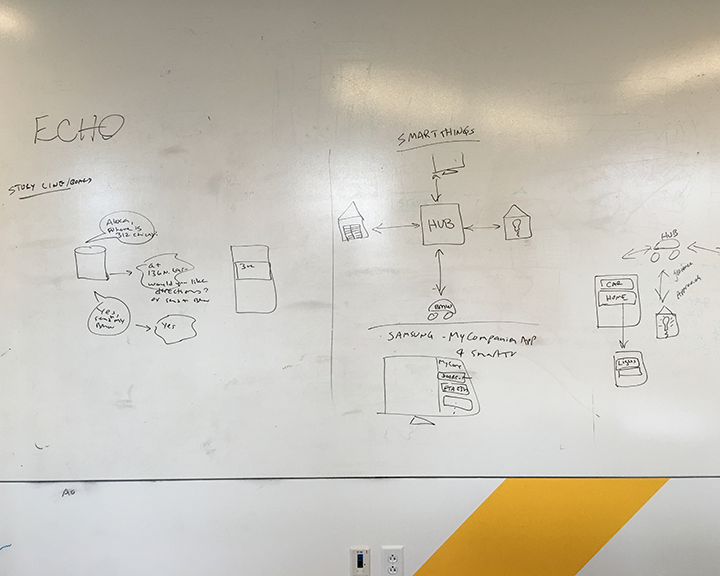
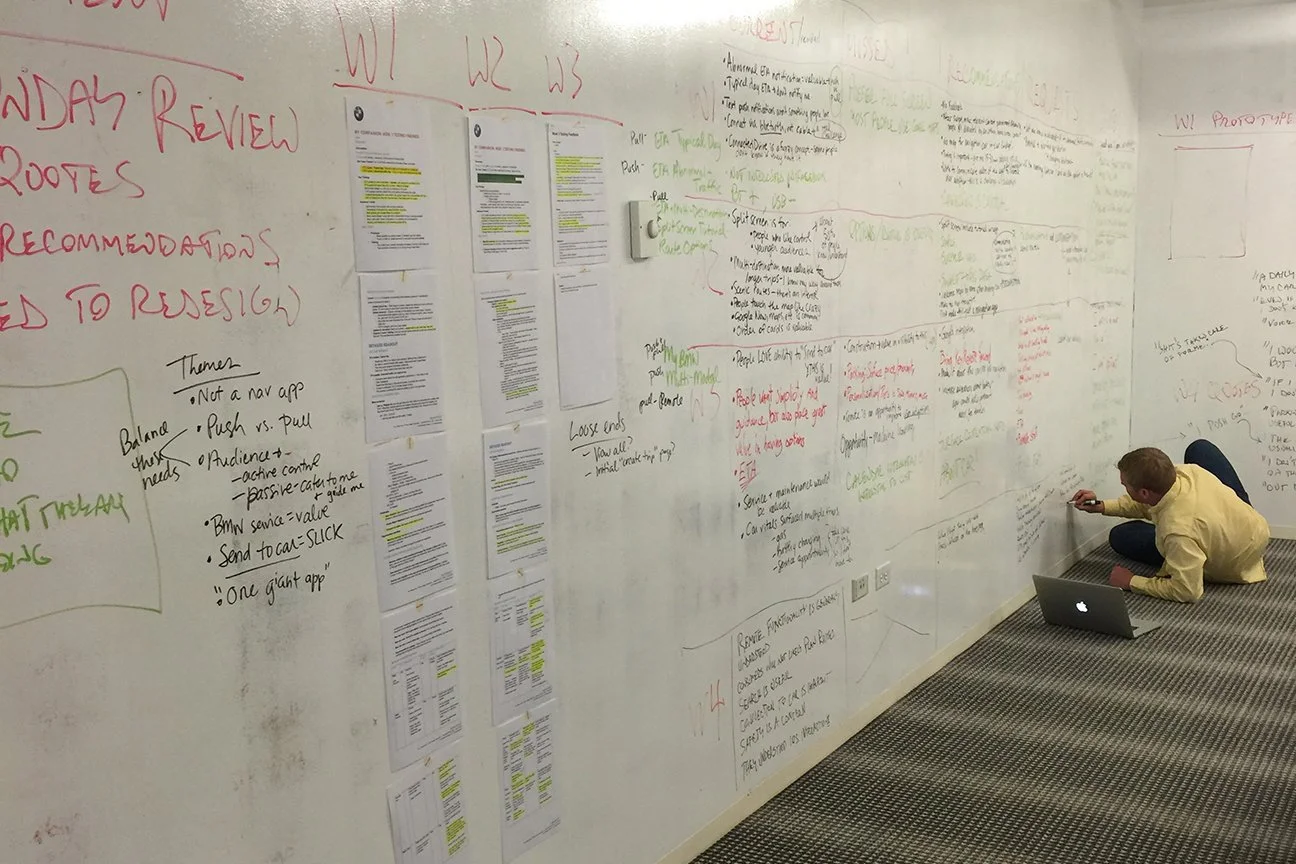
Dedicated space to save and share information is often helpful for maintaining a project. The team wanted to return to the Manifest offices at least one day per week, so we began to build a separate research base. Managing rapid Design Sprints can be complicated by the accelerated development of content. Our goal was to track key learnings on a continual basis to add to our concluding readout.
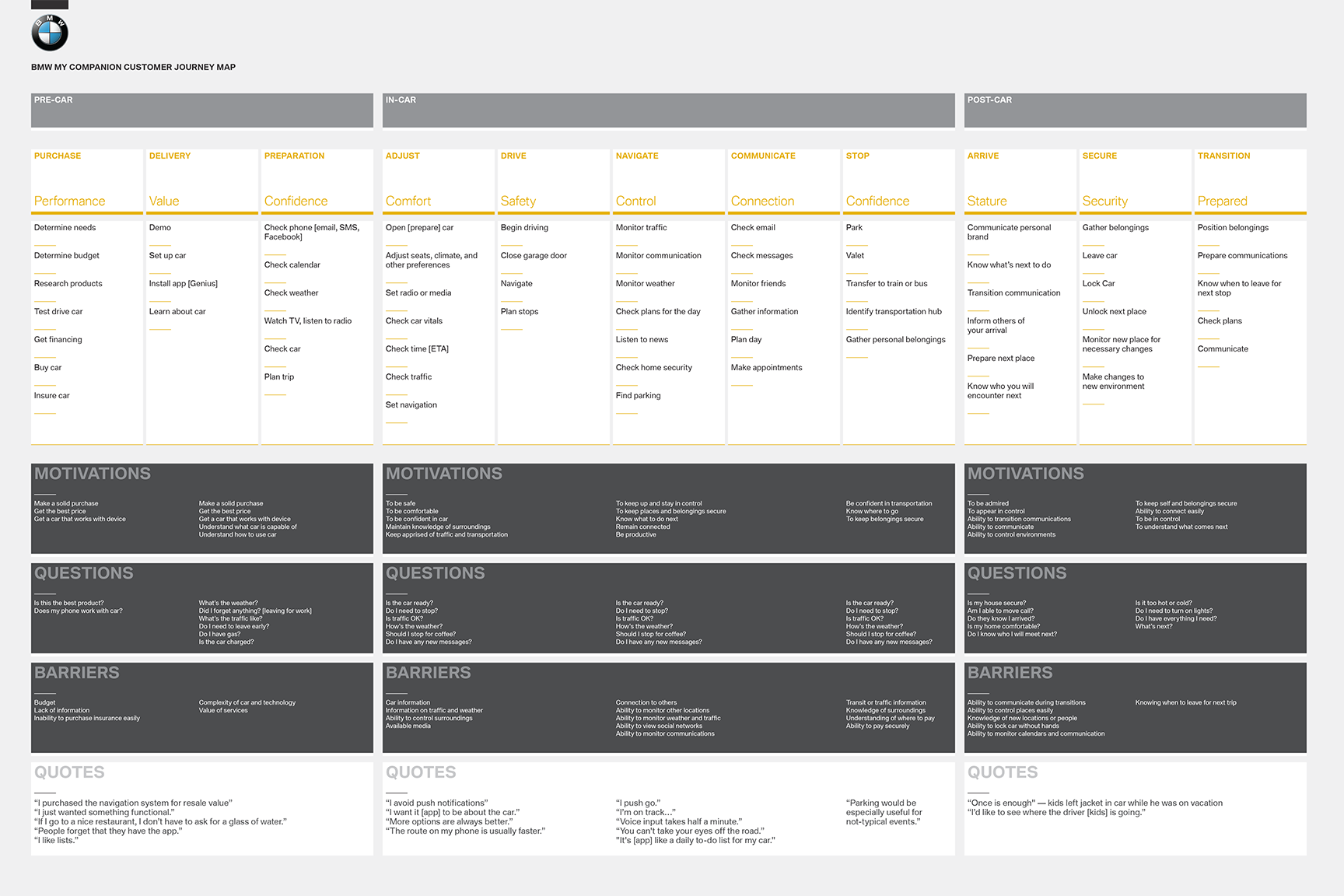
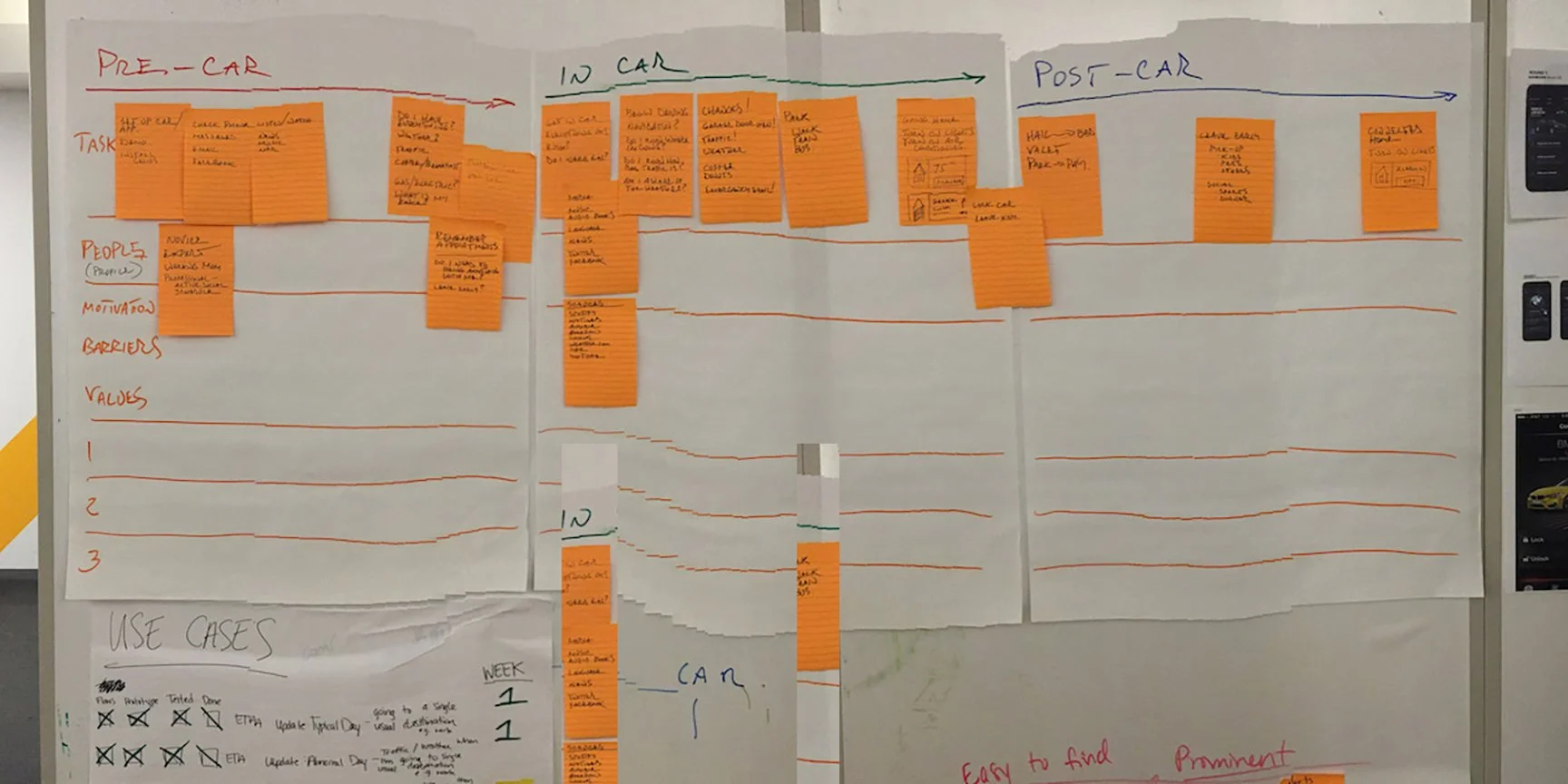
Agencies love to have polished deliverables for client presentations, but the most valuable artifacts are flexible and low in fidelity. The BMW customer journey map began with Post-It notes and insights. After 12 Design Sprints, we had interviewed a large number of consumers. This information provided a picture of the customers and their journey.
Testing & Prototyping
Over the course of eight weekly sprints during the first phase of the project, and four bi-weekly sprints in the second phase, we iteratively prototyped and tested many concepts. Understanding the customer need and reception to product features was critical. Since many critical artifacts, such as personas for the American market, and data points were unavailable, our goal was to ensure that all features were supported by research.
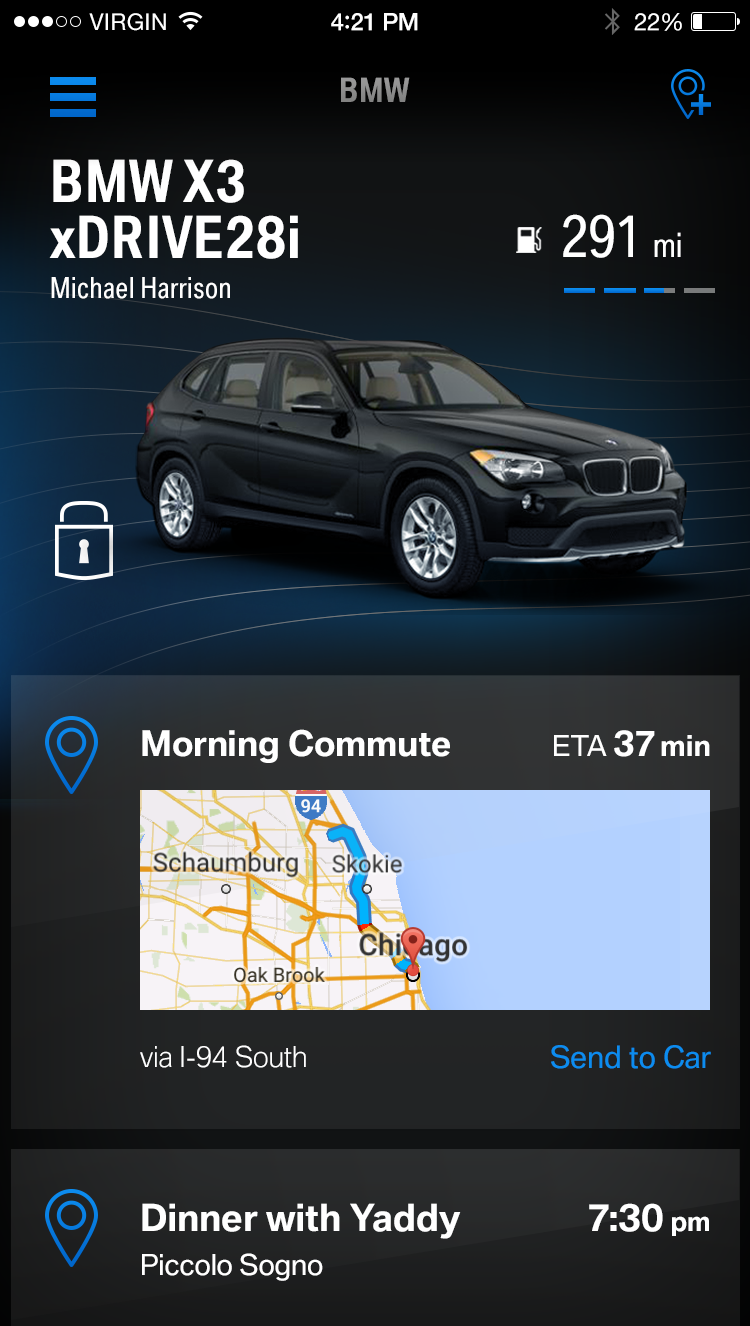
Initial hypotheses gave way to broader themes of connection and value. We strove to understand the information that customers needed to feel confident in their driving. Simply knowing whether the auto was charged or had sufficient fuel was important. How that could impact the drive was critical. The price of parking near the destination was important to BMW customers. Wasting time and money was contrary to the values of our personas.
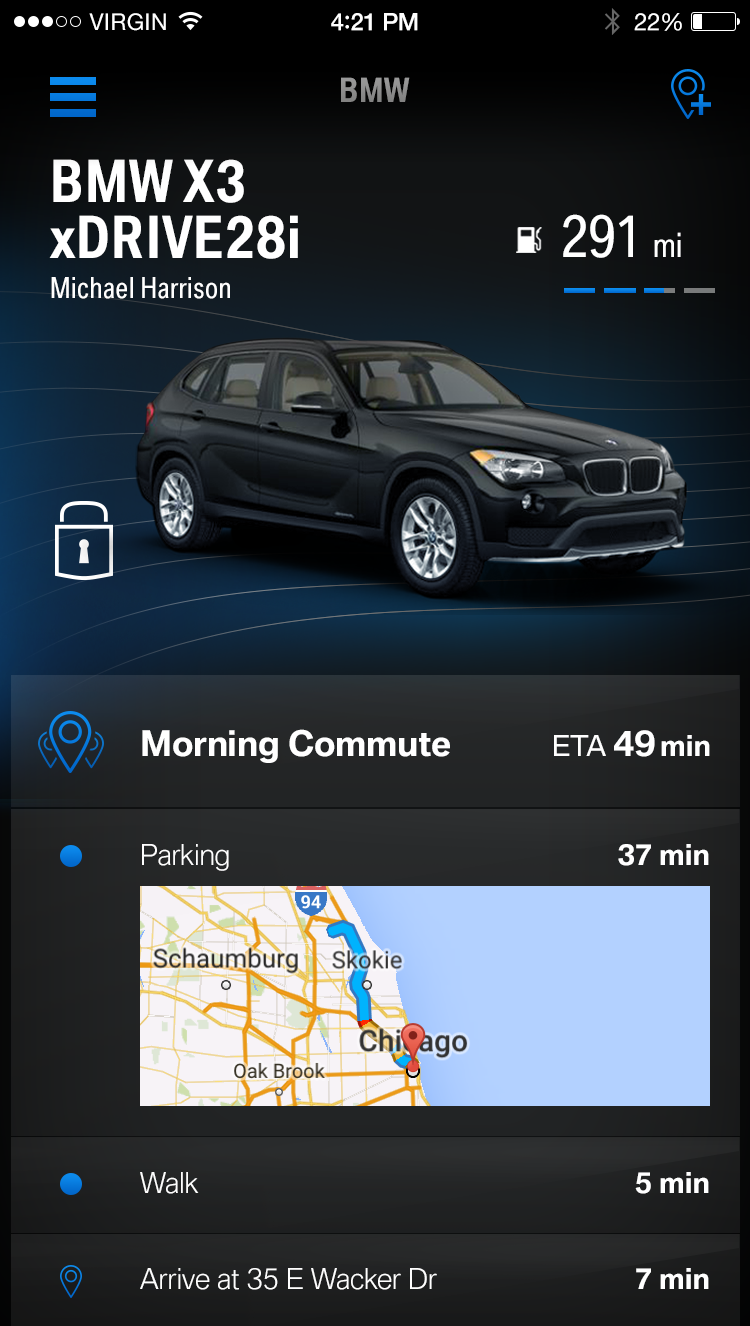
The team tested prototypes from wireframe resolution through fully interactive prototypes. Interaction became increasingly important as the project progressed. In our final phase of the project, we divided attention between a design sprint team and an interaction designer working with BMW staff in order to prepare for delivery. Experience and visual designs were refined and aligned with the brand. The final product, and next iteration of the app, would be delivered at CES in January of 2016.
“I know this sounds silly, but I won’t spend five seconds to connect my phone to a cable.”
Customer Insight